
Today I Learned (Volume 1)
Talking points: peanut butter, castaway huts, Hollywoodland

Some bite-sized facts to start your day.
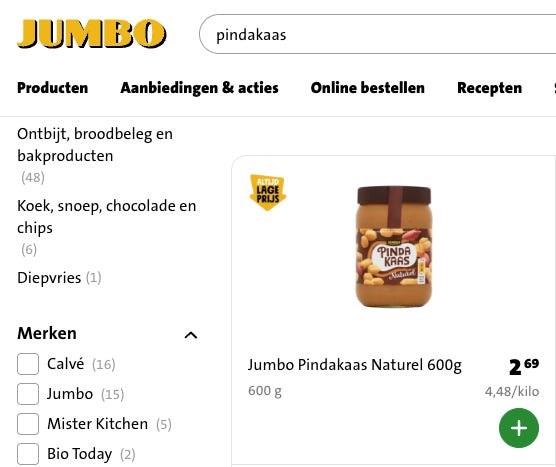
In the Netherlands1, “peanut butter” is called pindakaas (“peanut cheese”). When modern peanut butter was introduced to the market in 1948, it was apparently named after the old Suriname dish “pinda-käse” because of strict rules around the use of the word “butter” (originally set to avoid confusion between butter and margarine).
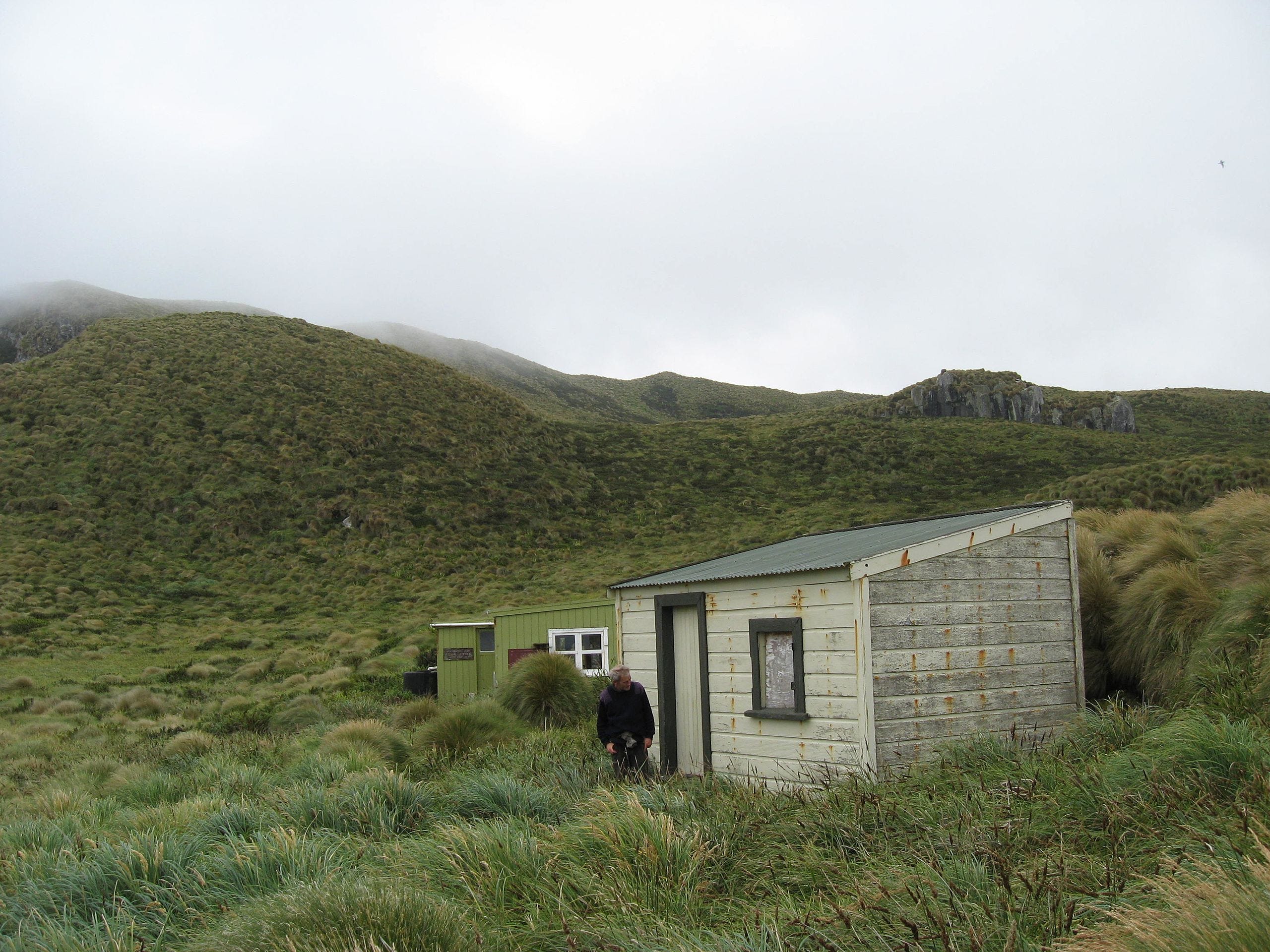
The New Zealand government established a series of supply huts in the mid-1800s on isolated islands in case ships got shipwrecked. These were called “castaway depots”, and a handful of them are still actively maintained today.
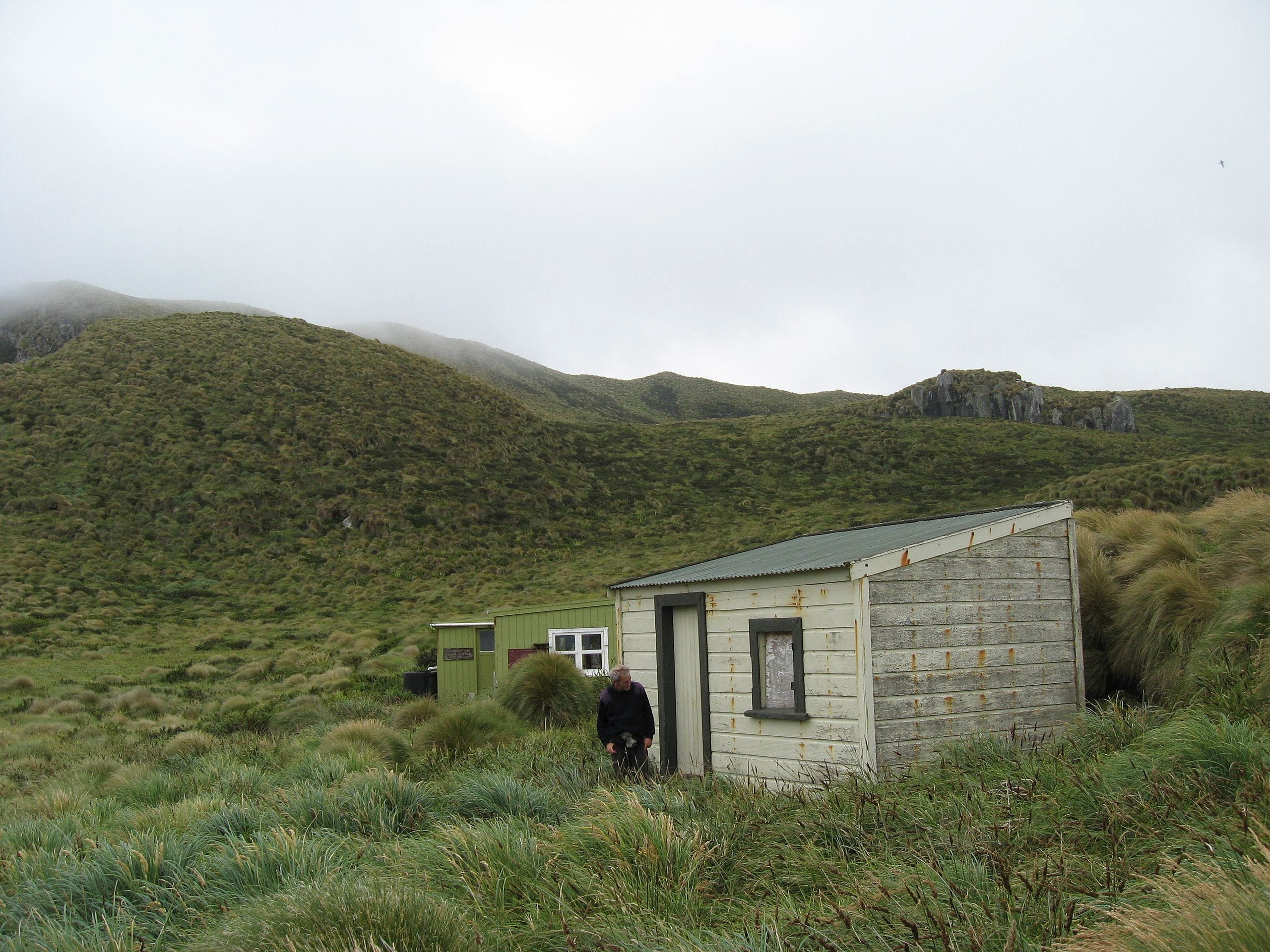
Seems to be a beautiful place to be stranded. Old Castaway hut in the North of Antipodes Islands, New Zealand, 2009, LawrieM, Public domain, via Wikimedia Commons.
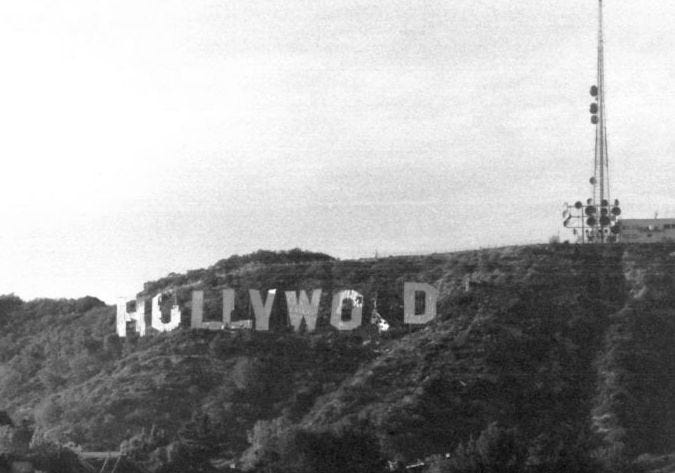
The now-iconic “Hollywood” sign was originally meant to be temporary advertising for a housing development called “Hollywoodland”.
The original Hollywoodland sign was erected2 in 1923, made of plywood and outlined in flashing lightbulbs. At night, the lights flashed to read “HOLLY” - “WOOD” - “LAND” - “HOLLYWOODLAND”.
In 1949, after local residents complained about the deteriorating sign in full view of their expensive homes, the Hollywood Chamber of Commerce agreed to refurbish and maintain the sign if the “LAND” part was removed.
Another major refurbishment happened in 1978, creating the much more permanent version we see today. Celebrities donated to sponsor individual letters, including Phoenix native Alice Cooper, who donated in memory of Groucho Marx.
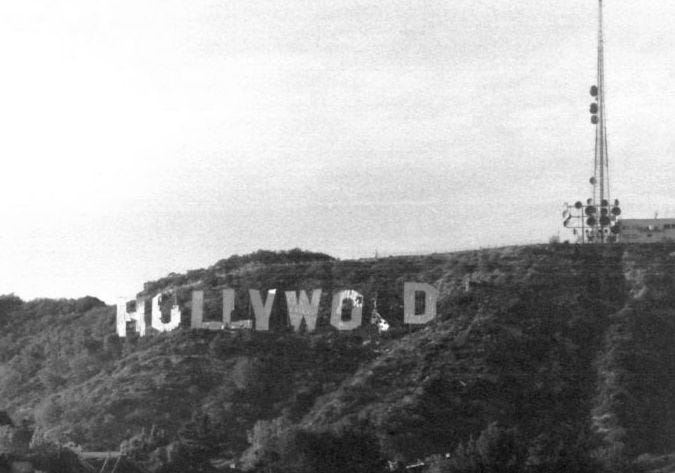
Deteriorated again in 1978, by Bobbeecher at en.wikipedia, CC BY-SA 3.0 <https://creativecommons.org/licenses/by-sa/3.0>, via Wikimedia Commons


What did you learn today?3
In Belgium, where Dutch is also spoken, the word is apparently translated much more sensibly as pindaboter, but package-naming restrictions apparently still apply. See the Dutch wiki page for more details.
Heh.